Bangkok is one of the world's great temple cities, where centuries-old spiritual traditions meet intricate architecture and vibrant daily life. While many travel guides jump straight into listing famous temples, the real experience goes far beyond checking off a few landmarks.
With over 400 temples spread across the city, Bangkok offers a diverse mix of royal temples, riverside icons, and quiet neighborhood wats, each with its own history and atmosphere. Some are grand and ceremonial, while others feel deeply local and serene.
This guide helps you:
- Choose the right temples based on your interests
- Plan efficient routes to avoid travel fatigue
- Understand cultural etiquette before visiting
Whether you're visiting for a few hours or a full day, exploring Bangkok's temples is one of the most meaningful ways to experience the city.
What to know about Temples in Bangkok
What Is a ""Wat""?
A ""wat"" is a Buddhist temple complex in Thailand, but it's more than just a single building. Most wats include several important structures:
- Ubosot (ordination hall): The most sacred area used for religious ceremonies
- Viharn (assembly hall): Where Buddha images are displayed and visitors gather
- Chedi (stupa): A structure that often contains relics
Together, these elements form a spiritual and architectural space that reflects Thai Buddhist culture.
Why Bangkok Temples Are Unique
Bangkok's temples stand out for their intricate design, symbolism, and craftsmanship. You'll notice:
- Golden decorations and detailed mosaics that reflect sunlight beautifully
- Influences from Thai, Khmer, and Ayutthaya architectural styles
- Massive Buddha statues in various postures
- Strong connection to Thai history, monarchy, and religion
Each temple tells a story, whether it's tied to royal heritage, local communities, or religious traditions.
How Many Temples Are in Bangkok?
There are over 400 temples in Bangkok, ranging from world-famous landmarks to small neighborhood shrines.
While this abundance is part of what makes Bangkok special, it can also feel overwhelming. Most travelers only visit a handful, so choosing the right ones is key. This guide focuses on the most important temples first, then expands to lesser-known options.
Must-Visit Temples in Bangkok
These are the essential temples that consistently appear across top travel guides and should be prioritized on any itinerary.
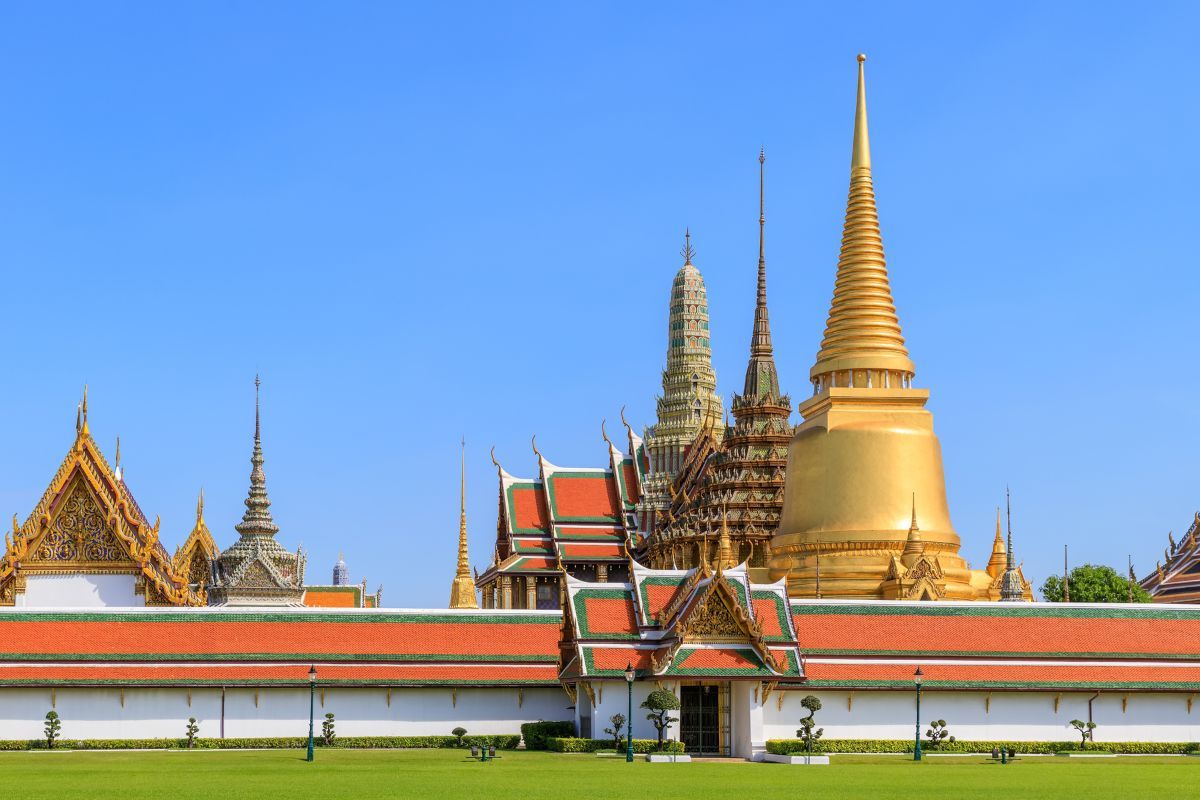
1. Wat Phra Kaew (Temple of the Emerald Buddha)
- Opening hours: 8:30 AM - 3:30 PM
- Entrance fee: ~500 THB (included with Grand Palace ticket)
Located within the Grand Palace complex, Wat Phra Kaew is the most sacred temple in Thailand. It houses the revered Emerald Buddha, a small but highly significant statue carved from jade.
The temple is known for its elaborate architecture, detailed murals, and ceremonial importance. It's not just a tourist attraction, but a place deeply tied to Thai identity and monarchy.
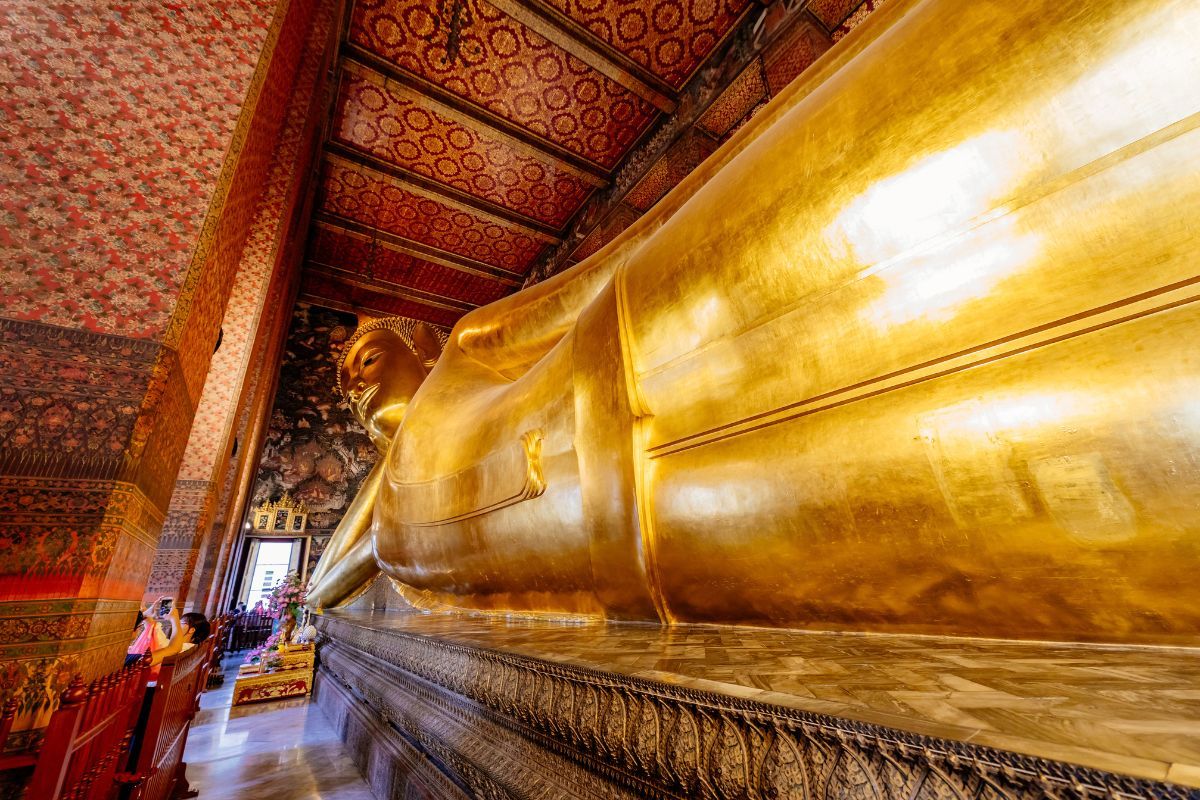
2. Wat Pho (Reclining Buddha)
- Opening hours: 8:00 AM - 6:30 PM
- Entrance fee: ~200 THB
Wat Pho is famous for its massive 46-meter-long reclining Buddha, one of the largest in Thailand. The statue is covered in gold leaf and represents the Buddha entering Nirvana.
Beyond the main attraction, the temple complex is large and peaceful, with many smaller stupas and courtyards. It's also known as the birthplace of traditional Thai massage, and you can even try a massage within the temple grounds.
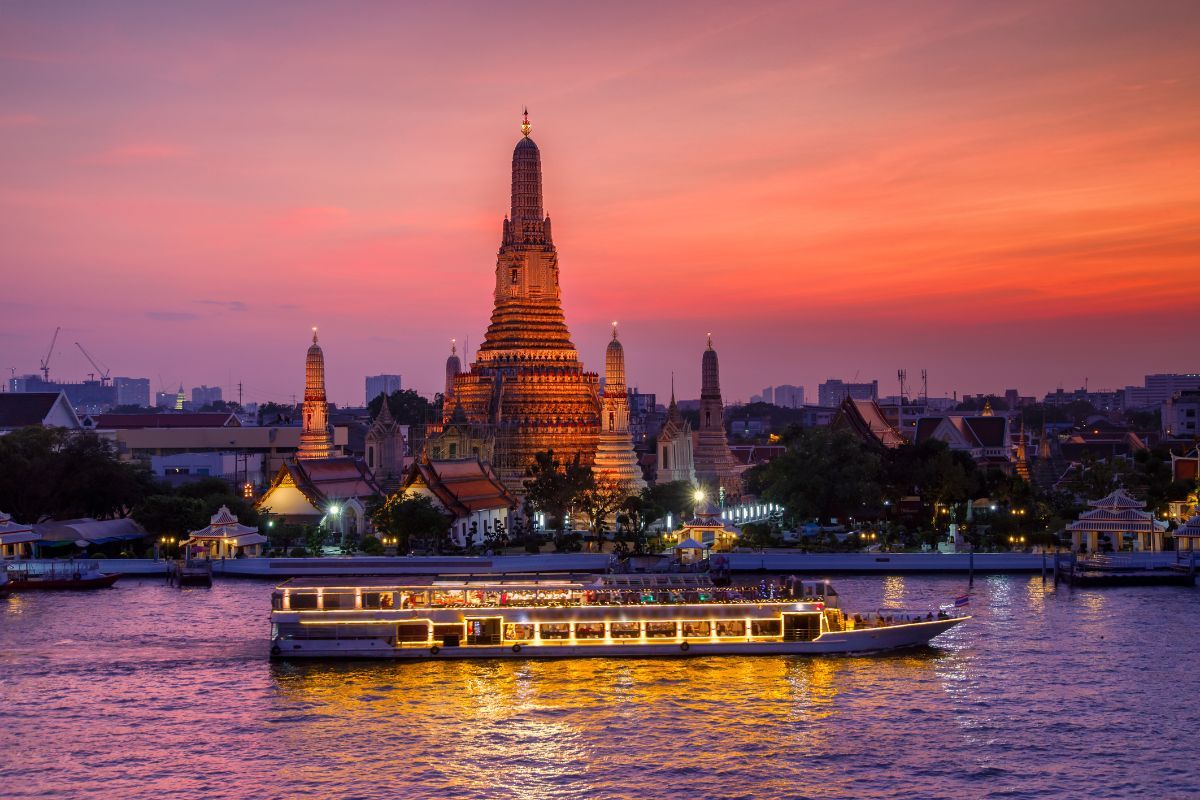
3. Wat Arun (Temple of Dawn)
- Opening hours: 8:00 AM - 6:00 PM
- Entrance fee: ~100 THB
Located along the Chao Phraya River, Wat Arun is one of Bangkok's most iconic temples. Its central prang (tower) is decorated with colorful porcelain and seashells, creating a unique visual style.
Visitors can climb part of the structure for panoramic views. The temple is especially beautiful during sunrise or sunset, when the light reflects off the river.
4. Wat Saket (Golden Mount)
- Opening hours: 7:30 AM - 7:00 PM
- Entrance fee: ~50 THB
Wat Saket sits atop a man-made hill, offering one of the best views in Bangkok. To reach the top, you'll climb a spiral staircase surrounded by greenery and bells.
Compared to the more famous temples, it's less crowded and provides a more relaxed atmosphere. The golden chedi at the summit is both visually striking and spiritually significant.
5. Wat Benchamabophit (Marble Temple)
- Opening hours: 8:00 AM - 5:30 PM
- Entrance fee: ~50 THB
Known as the Marble Temple, Wat Benchamabophit is admired for its elegant white marble architecture and symmetrical design. It's one of the most photogenic temples in Bangkok.
The temple houses a collection of Buddha images and offers a quieter, more refined experience compared to the busy Old Town temples.
Other Notable Temples in Bangkok
If you have more time, these temples offer unique experiences beyond the main highlights:
- Wat Traimit (Golden Buddha): Home to a massive solid gold Buddha statue
- Wat Ratchanatdaram (Loha Prasat): Known for its rare multi-spired metal structure
- Wat Kalayanamit: A peaceful riverside temple popular with locals
- Wat Prayoon: Features a large white chedi and tranquil surroundings
These temples are less crowded but still rich in history and character.
Best Areas to Visit Temples in Bangkok
Choosing the right area to explore temples can make your experience much smoother and more enjoyable. Bangkok's temples are spread across different districts, each offering a slightly different atmosphere, travel convenience, and style of architecture.
Rattanakosin (Old Town)
Rattanakosin, also known as Bangkok's Old Town, is the historical and cultural heart of the city and the best place to start your temple exploration. This area has the highest concentration of major temples within a relatively small distance, making it ideal for first-time visitors.
Here you'll find:
- Wat Phra Kaew inside the Grand Palace complex
- Wat Pho, home of the Reclining Buddha
- Wat Arun, located just across the river
The advantage of this area is efficiency. You can visit several of Bangkok's most important temples in one day without needing to travel far. However, it is also the busiest area, so arriving early is highly recommended to avoid crowds and heat.
Riverside (Chao Phraya)
The Chao Phraya River offers one of the most scenic ways to explore Bangkok's temples. Many of the city's most iconic wats are located along the river, making it easy to combine sightseeing with transportation.
Key highlights:
- Wat Arun's riverside setting
- Multiple temples accessible via boat stops
- Beautiful views, especially during sunrise or sunset
Using river boats not only saves time by avoiding traffic but also adds a unique perspective to your journey. It's one of the most enjoyable ways to move between temples, especially if you plan to visit multiple locations in a single day.
Chinatown (Yaowarat)
Chinatown offers a completely different temple experience compared to Old Town. Instead of grand royal temples, this area features a mix of Thai Buddhist temples and Chinese shrines, reflecting Bangkok's multicultural heritage.
What makes this area special:
- Combination of religious sites and vibrant street life
- Unique architecture influenced by Chinese culture
- Easy to pair temple visits with street food exploration
This is a great area to visit in the late afternoon or evening, where you can combine temple visits with one of Bangkok's best food scenes.
Dusit Area
The Dusit district is a quieter, more relaxed area that offers a break from the crowds of central Bangkok. It's home to Wat Benchamabophit (Marble Temple), one of the city's most elegant and photogenic temples.
Why visit Dusit:
- Less crowded and more peaceful
- Wide streets and a more open, spacious layout
- Ideal for photography and a slower-paced visit
This area is perfect if you've already seen the main temples and want a more relaxed, less touristy experience.
Suggested Temple Itineraries
Planning your temple visits efficiently can help you avoid unnecessary travel time and fatigue. Here are some well-structured options depending on how much time you have.
1-Day Temple Route
- Grand Palace + Wat Phra Kaew
- Wat Pho
- Wat Arun
This is the most popular route for first-time visitors because it covers Bangkok's most iconic temples in one day. Start early at the Grand Palace, then walk to Wat Pho, and finish by crossing the river to Wat Arun.
Half-Day Temple Visit
- Wat Pho
- Wat Arun
If you're short on time, this route still gives you a meaningful temple experience. Both temples are close to each other and offer a good mix of architecture, history, and scenery.
Hidden Gems Route
- Wat Saket (Golden Mount)
- Wat Ratchanatdaram (Loha Prasat)
This route is ideal if you want to avoid large crowds and explore something different. Both temples offer unique structures and a quieter atmosphere, making them perfect for a more relaxed visit.
Temple Dress Code & Etiquette
Respecting temple rules is an important part of visiting wats in Bangkok. Proper attire and behavior show respect for local culture and ensure you are allowed entry.
Dress Code Rules
- Shoulders must be fully covered
- Wear long pants or skirts that cover the knees
- Avoid sleeveless tops, short shorts, or tight clothing
Some temples offer cover-ups for rent, but it's best to dress appropriately in advance.
Behavior Guidelines
- Remove your shoes before entering temple buildings
- Avoid pointing your feet toward Buddha statues or monks
- Speak quietly and maintain a respectful attitude
- Avoid touching sacred objects or climbing restricted areas
Following these simple guidelines will help you have a smooth and respectful visit.
Entrance Fees & Opening Hours
Understanding basic costs and timings helps you plan your day more efficiently.
Typical Entrance Fees
- Grand Palace + Wat Phra Kaew: ~500 THB
- Wat Pho: ~200 THB
- Wat Arun: ~100 THB
- Other temples: often free or require a small donation
Typical Opening Hours
- Most temples open between 8:00 AM and 5:30 PM
- Some temples open earlier or close slightly later
It's best to visit in the morning when temperatures are cooler and crowds are smaller.
How to Get to Bangkok Temples
Getting around Bangkok efficiently is key, especially when visiting multiple temples in one day.
By River Boat
- One of the most scenic and efficient transport options
- Connects major temples along the Chao Phraya River
- Helps avoid heavy traffic in central Bangkok
This is often the best choice if your itinerary includes Wat Arun, Wat Pho, and nearby areas.
By BTS + Ferry
- Convenient and easy for tourists
- Take the BTS Skytrain to Saphan Taksin, then transfer to a river boat
- Good balance of speed and accessibility
By Taxi / Grab
- Direct and comfortable
- Ideal for traveling longer distances or between less connected areas
- Traffic can be heavy, especially during peak hours
Planning your transport in advance can save time and make your temple visits much more enjoyable.
Tips for Visiting Temples in Bangkok
Visiting temples in Bangkok is one of the highlights of any trip, but the experience can vary greatly depending on how well you plan. A few practical tips can help you avoid crowds, stay comfortable, and make the most of your time.
Visit Early in the Morning
The best time to visit temples in Bangkok is early in the morning, ideally right when they open.
- Temperatures are cooler and more comfortable for walking
- Major temples like Wat Phra Kaew and Wat Pho are less crowded
- Lighting is softer, which is better for photography
- The atmosphere is quieter and more peaceful
Arriving early also gives you more flexibility to visit multiple temples before the midday heat sets in.
Bring Water and Stay Hydrated
Bangkok's tropical climate can be intense, especially when you're walking between temples or climbing stairs like those at Wat Arun or the Golden Mount.
- Carry a reusable water bottle or buy drinks along the way
- Take short breaks in shaded areas
- Wear light, breathable clothing while still respecting dress codes
Staying hydrated will help you enjoy your visit without feeling exhausted too quickly.
Group Temples by Location
One of the most common mistakes travelers make is visiting temples that are far apart on the same day. This leads to unnecessary travel time and fatigue.
Instead, plan your route by area:
- Old Town: Wat Phra Kaew, Wat Pho, Wat Arun
- Dusit: Marble Temple
- Chinatown: temples + food exploration
Grouping temples geographically allows you to:
- Save time on transportation
- Reduce travel stress
- See more places in a shorter period
Be Cautious of Common Scams
Areas around major attractions, especially the Grand Palace, are known for common tourist scams.
Be aware of:
- People telling you the temple is ""closed"" and offering alternative tours
- Tuk-tuk drivers promoting overpriced stops
- Unofficial guides approaching you
To stay safe:
- Always check official opening hours in advance
- Use trusted transportation like Grab or official taxis
- Book tours through reputable platforms if needed
Wear Comfortable Shoes
While you'll need to remove your shoes when entering temple buildings, you'll still be walking quite a lot around temple grounds.
- Choose shoes that are easy to take on and off
- Avoid anything too tight or uncomfortable
- Sandals with straps or slip-on shoes are often the most practical
Temple Tours & Experiences
If you prefer a more structured and convenient way to explore Bangkok's temples, there are several tour options available. These can help save time and provide deeper insights into the history and significance of each site.
Bangkok Temple Tours
Temple tours are one of the easiest ways to visit multiple landmarks in a short time.
What to expect:
- Visits to major temples such as Wat Phra Kaew, Wat Pho, and Wat Arun
- Transportation included, often by van or private car
- A knowledgeable guide who explains history and cultural context
This option is ideal if:
- You have limited time
- You want a hassle-free experience
- You prefer learning with guided explanations
River Cruise + Temple Combo
For a more unique and relaxing experience, consider combining temple visits with a river cruise along the Chao Phraya River.
Highlights include:
- Scenic views of Bangkok's skyline and riverside temples
- Easy access to temples located along the river
- A slower, more enjoyable pace compared to road travel
Some packages include stops at key temples, while others focus on sightseeing with optional visits. This is a great choice if you want to combine culture with a more leisurely travel experience.
Whether you visit just a few iconic landmarks or explore lesser-known wats across the city, Bangkok’s temples offer a deeper connection to its history, culture, and daily life, making them an essential part of any meaningful travel experience.
To explore more local insights, read our complete Chatuchak Market guide and plan your weekend shopping adventure with confidence. You can also continue your Bangkok journey by visiting iconic landmarks such as Wat Pho and Wat Phra Kaew, two essential cultural attractions known for their rich history and breathtaking temple architecture.